The Fabric of Identity: Fashion as a Living Archive
Fashion is often dismissed as a surface-level pursuit—a cycle of trends dictated by runways and retail giants. However, for many cultures, clothing is a profound medium of storytelling, a visual language that carries the weight of history, the warmth of tradition, and the resilience of a people. From the intricate patterns of a Gambia clothing ensemble to the bold declarations on Black history shirts, fashion serves as a bridge between the ancestors we honor and the modern world we inhabit. It is an industry where a simple African shirt is never just a shirt, but a map of heritage, and where a Sherpa blanket can offer a physical manifestation of the comfort found in communal roots.
The Architecture of Heritage: West African Attire

To understand the depth of African fashion, one must look toward the Sahel and the coast, specifically at the elegance of Gambia clothing. In The Gambia, fashion is a ceremonial art. The silhouette of a traditional Grand Boubou—a flowing, wide-sleeved robe—commands respect and signifies a connection to Islamic and West African scholarly traditions. This is not “fast fashion”; it is “slow soul.” The fabrics, often hand-dyed using indigo or elaborate wax-resist techniques, reflect a specific geography and social status.
When we zoom in on the African shirt in a modern context, we see a fusion of this tradition with contemporary utility. Today’s designers are taking the vibrant Ankara and Kente prints and tailoring them into button-downs and tunics that fit into global workspaces. These shirts act as a form of cultural soft power. When an individual wears a dashiki-style shirt or a tailored wax-print piece, they are not just making a style choice; they are reclaiming a narrative that was once marginalized by Western sartorial standards.
No traditional ensemble is complete without the crowning glory: the African hat. Whether it is the structured kofia, the velvet fila, or the iconic fez-style headwear found across the continent, the hat is a symbol of maturity and authority. In many West African cultures, the head is considered the seat of the soul and the site of divine connection. Therefore, the African hat is more than an accessory; it is a spiritual and social punctuation mark, completing the “sentence” of the wearer’s identity.
Fashion as Activism: The Power of the Graphic
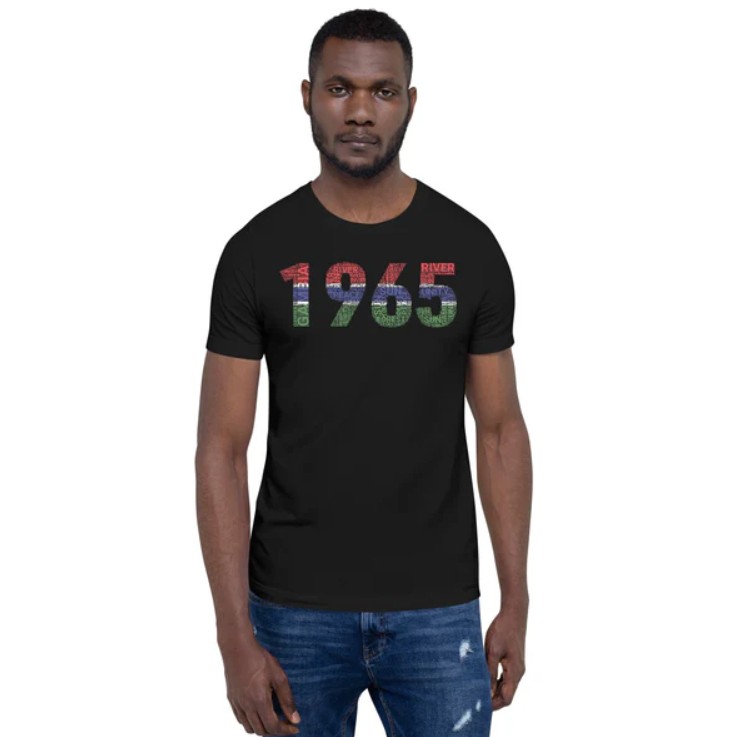
While traditional attire connects us to the distant past, modern fashion has found a way to address the immediate history of the diaspora. Black history shirts have become a staple of the modern wardrobe, evolving from simple protest gear into sophisticated vessels of education.
These garments do more than just display a date or a face; they reclaim icons. A shirt featuring the image of a forgotten inventor, a civil rights strategist, or a pre-colonial African queen turns the wearer into a walking billboard for historical literacy. In a world where history is often sanitized or erased, wearing Black history shirts is a radical act of remembrance. It says, “I know where I come from, and I know the price paid for my presence here.”
This segment of fashion operates on the principle of “Sankofa”—a Twi word from Ghana meaning “to go back and get it.” By wearing the images of those who came before, the modern generation ensures that the struggle and the triumph remain visible in the public square.
The Texture of Comfort: Beyond the Wardrobe
Fashion and textiles are not limited to what we wear on our backs; they extend to how we curate our spaces of rest. The inclusion of the Sherpa blanket in the conversation of cultural fashion might seem unexpected, yet it represents the universal need for “sanctuary.”
In recent years, the textile industry has seen a surge in “ethno-comfort” wear—home goods that blend the high-tactile warmth of a Sherpa blanket with the visual patterns of the African continent. Imagine a blanket with the heavy, wool-like texture of Sherpa on one side and a Mudcloth or Kente pattern on the other. This fusion represents the ultimate domestic luxury: the ability to wrap oneself in both physical warmth and cultural pride. It transforms a house into a home by layering modern comfort over ancient aesthetics.
The Global Loom: A Conclusion
The evolution of fashion is a testament to human adaptability. We see this in how Gambia clothing adapts to the streets of London or New York, how the African shirt is reimagined by Gen Z designers, and how African hats appear in high-fashion editorials.
Fashion is the only art form we live our lives in. It is our second skin. When we choose to wear pieces that reflect our heritage—whether through the literal history printed on Black history shirts or the symbolic history woven into a traditional tunic—we are participating in a grand, ongoing dialogue. We are saying that our identity is not a monolith, but a rich tapestry.
Ultimately, whether we are stepping out into the world in a meticulously tailored African shirt or curling up at home under a Sherpa blanket, we are using textiles to define our boundaries and celebrate our existence. Fashion is the thread that binds the past to the present, ensuring that while the world changes, the stories we carry on our shoulders remain vibrant and unbreakable.
Would you like me to create a visual concept for a clothing line that combines these elements, such as a mood board for the “Gambia-meets-Modern” aesthetic?